
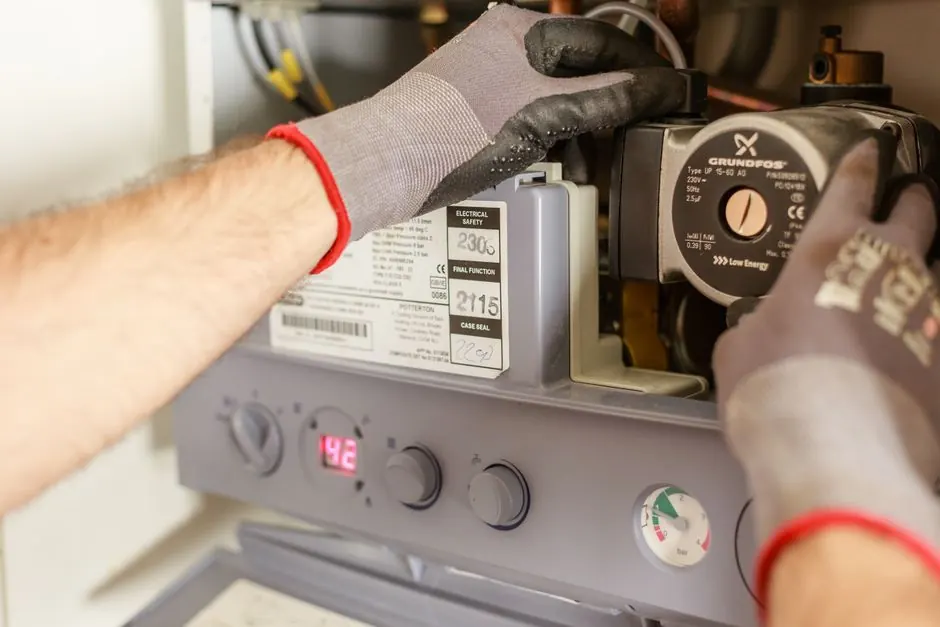
Boiler repair cost depends on diagnosis, parts, access, system type, and whether the quote includes the full repair scope.
Short answer
Boiler repair cost depends on the fault, the boiler type, parts, access, diagnostic time, and whether related controls or piping must be corrected. A useful estimate should explain the diagnosis, the proposed work, parts, labor, exclusions, and what happens if more faults are found. Without a verified diagnosis, a price range can be misleading.
This guide does not invent an average Medford repair price. Instead, it explains what to ask so you can compare estimates fairly. The least expensive quote is not always the best value if it excludes diagnosis, follow-up checks, controls, or the work needed to restore safe and reliable operation.
Start with the service call
Ask whether there is a diagnostic fee, what that fee includes, and whether it is credited toward approved repair work. Some providers charge differently for standard visits, after-hours requests, difficult access, or commercial properties. Confirm the fee before booking and ask whether payment is due even if you decline the repair.
A diagnosis should be more than a guess. The provider should connect symptoms to findings: pressure behavior, fault codes, ignition sequence, circulation response, leakage, venting, wiring, or component tests. If a quote names a part without explaining why that part failed, ask for the reasoning.
Factors that change the estimate
Parts availability matters. A common circulator, igniter, relief valve, or expansion tank may be easier to source than a model-specific control board or obsolete component. Labor can change when the repair requires draining part of the system, accessing tight piping, correcting wiring, or retesting multiple zones.
System type also matters. Steam systems, oil burners, gas boilers, combi boilers, and multi-zone hydronic systems have different diagnostic paths. Commercial systems may involve access windows, tenant coordination, building controls, and documentation. A repair estimate should reflect those differences rather than use one generic boiler price.
What a written estimate should include
Request an itemized scope when practical. Look for diagnostic charge, parts, labor, disposal or cleanup if applicable, taxes, warranty terms offered by the provider, and exclusions. Ask whether the quote includes startup testing and whether the provider will confirm heat at the affected radiators or zones before leaving.
If the system has more than one problem, ask which repair is essential now and which item can be monitored. For example, a leaking relief valve may be a symptom of pressure or expansion issues. Replacing only the visible valve may not solve the cause if pressure control is the real fault.
Repair or replacement questions
When repairs become expensive, ask about the condition of the boiler, age if known, part availability, fuel type, and whether repeated failures suggest a larger issue. Avoid choosing replacement solely because one repair is inconvenient, but also avoid repeatedly paying for repairs that do not address the root cause.
For cost-related decisions, ask the provider to separate safety issues, reliability issues, efficiency concerns, and optional improvements. That helps you decide what must be handled now and what can wait.
Related pages
For specific symptoms, see boiler leak and pressure repair, gas and combi boiler repair, oil and steam boiler repair, and commercial boiler repair. When you are ready, request service and describe the symptom, system type, and any access constraints.
How to compare two boiler repair estimates
When two estimates differ, compare the scope before comparing the total. One estimate may include only the visible failed part, while another includes diagnosis, related gaskets, valves, controls, cleanup, testing, and follow-up confirmation. A lower number may be reasonable if the repair is truly narrow, but it may not be comparable if it omits work needed to verify heat and safe operation.
Ask each provider what problem the repair is intended to solve and what evidence supports that diagnosis. For example, replacing a relief valve is different from correcting the pressure condition that caused discharge. Replacing a circulator is different from repairing the relay or zone valve that failed to start it. If the explanation is unclear, ask for the estimate to be rewritten in plain language before you approve work.
For rental or commercial properties, include access, tenant coordination, and scheduling limits in the discussion. A repair that requires return visits or after-hours access can affect the final cost. Confirm what is included before booking so the estimate reflects the actual property conditions, not just the equipment name.
Cost questions that protect the decision
Before approving work, ask three direct questions: what happens if this repair does not solve the symptom, what additional work might be discovered once the system is opened, and what testing will confirm the repair is complete. Those questions do not challenge the provider; they clarify the boundaries of the estimate.
Also ask whether the repair affects any related service need. A pressure repair may connect to an expansion tank. A cold-zone repair may connect to a circulator or zone valve. A noise complaint may connect to air, flow, or ignition. Understanding the connection helps you avoid approving a narrow repair while missing the condition that caused it.
Red flags in boiler repair pricing
Be cautious with estimates that name a part but do not describe the diagnostic finding, quotes that exclude startup testing, or promises that sound more certain than the information available. A clear provider can usually explain what is known, what is assumed, and what might change after opening the system.
You should also be wary of pressure to approve unrelated upgrades before the immediate fault is understood. It is reasonable to ask whether the boiler can be made safe and functional, whether the repair is temporary or durable, and what documentation you will receive after the work.